
New gas charging systems for aviation ground support operations
Gas Charging Systems for Aviation Ground Support Operations
Aircraft servicing relies on more than electricity and pre-conditioned air. In real ground operations, nitrogen and oxygen are critical utilities that support safe maintenance, functional checks, emergency system readiness and fast line operations. That is why gas charging systems have become a core part of modern GSE ecosystems — especially where efficiency, compliance and repeatable servicing procedures matter.
In this article, we explain where aviation gas charging is used, what selection criteria truly matter (purity, pressure, mobility, flow control, safety), and how to choose between mobile and fixed concepts. We also introduce ElectroAir’s solutions: the EA Nitrogen Mobile Gas Charging Station, the EA Oxygen Gas Charging Station, and the multi-purpose Air Servicer Unit.
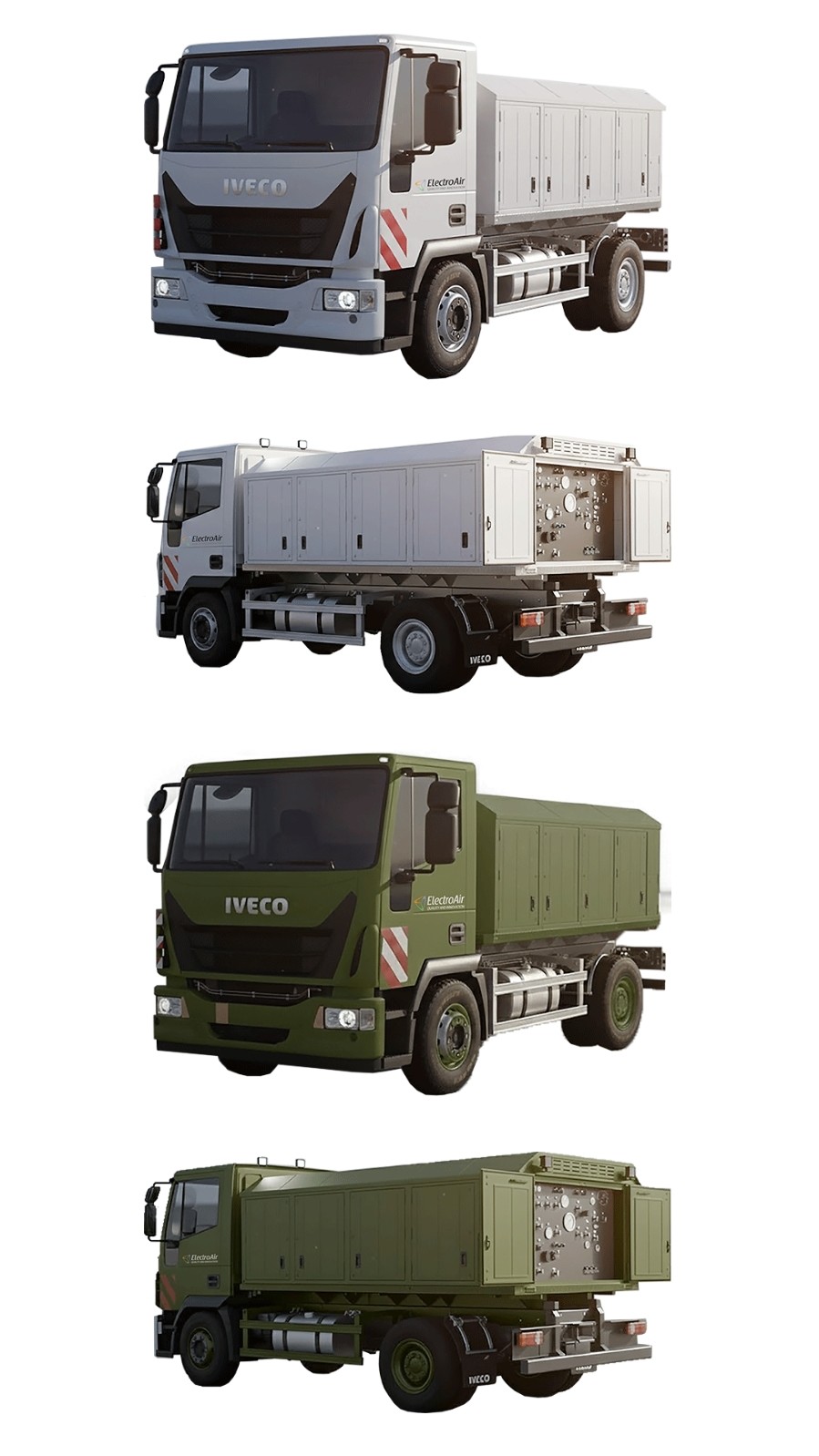
Mobile gas charging systems by ElectroAir for aviation ground support, including nitrogen, oxygen and air servicing units
Why aviation gas charging systems matter
In aviation, gas servicing is not a “nice-to-have”. It directly supports safety-critical functions and maintenance workflows. A robust gas charging system reduces manual handling errors, standardises procedures across teams, and ensures repeatable results — whether you are supporting an airline line station, a helicopter base, or an MRO hangar.
From an operational point of view, the right solution improves turnaround predictability. From a compliance perspective, it helps implement clear operating limits and safety controls around pressure, flow and storage — which becomes increasingly important as airports and MROs aim to standardise processes across shifts and locations.
Where nitrogen and oxygen are used in aircraft servicing
Nitrogen (N2) is widely used because it is inert and dry, making it suitable for systems where moisture or oxygen could create risks. Typical applications include tyre inflation, shock struts, accumulator servicing and certain test procedures. Using nitrogen helps achieve stable pressures and reduces the risk of oxidation in sensitive components.
Oxygen (O2) servicing supports onboard oxygen systems used for crew and passenger safety. Because oxygen handling requires strict procedures and compatible materials, a dedicated oxygen charging station is designed around controlled filling, safe storage practices and clear operating controls — supporting repeatable servicing without improvisation.
- Line operations: faster, repeatable servicing routines
- MRO environments: scheduled maintenance, functional checks and component servicing
- Helicopter bases: mission readiness and consistent servicing
- Remote / regional stations: autonomy and self-sufficient ground support
Mobile vs fixed concepts: choosing the right architecture
The right architecture depends on how your site works day-to-day. A mobile concept typically supports flexible operations (multiple stands, different hangar bays, mixed aircraft types). A fixed concept supports high-utilisation sites that want standardised workflows at dedicated servicing points.
When mobile makes sense
- Multiple stands or hangar positions with varying demand
- Seasonal peaks, charter operations or mixed fleets
- Need to reduce dependency on a single servicing point
- Higher autonomy for regional stations
When fixed makes sense
- High volume, repeatable processes and defined routing
- Centralised storage and tight safety zoning
- Integration into hangar infrastructure planning
- Focus on standardised procedures for every shift
Selection criteria: purity, pressure, control and safety
When comparing aviation gas charging systems, the most meaningful differences are rarely “headline specs”. What matters is how the system behaves in real operations: pressure stability during filling, clarity of control, safety interlocks, and how easily the team can repeat procedures without shortcuts.
1) Gas quality and purity management
Purity requirements vary by application, but the operational goal is consistent: avoid contamination, moisture, or uncontrolled mixing. A well-designed system supports stable output quality and clear operating discipline — reducing variation between shifts and users.
2) Pressure range, regulation and repeatability
Aircraft servicing tasks often require controlled pressure ramps and stable setpoints. Look for reliable regulation, readable instrumentation and a layout that prevents accidental mis-connection or uncontrolled flow.
3) Safety design and human factors
Good safety is not just “warnings on a panel”. It is built into connection logic, physical protection, emergency stop access, and a layout that makes the correct action the easiest action. In practice, this reduces training burden and operational risk.
ElectroAir gas charging systems
ElectroAir designs gas charging systems to support aviation maintenance and ground operations where reliability, repeatability and safe daily use matter. Below are three key solutions, each suited to a distinct operational profile.
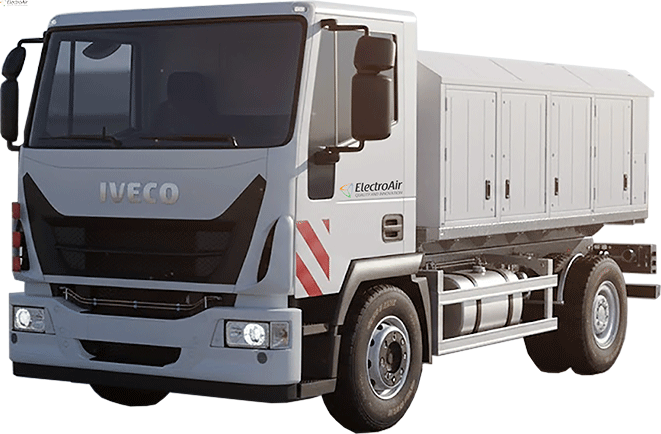
EA Nitrogen Mobile Gas Charging Station
A mobile concept designed for flexible servicing routines across multiple positions. Ideal for sites that need autonomy, consistent procedures and the ability to service different aircraft types without being tied to one fixed point.
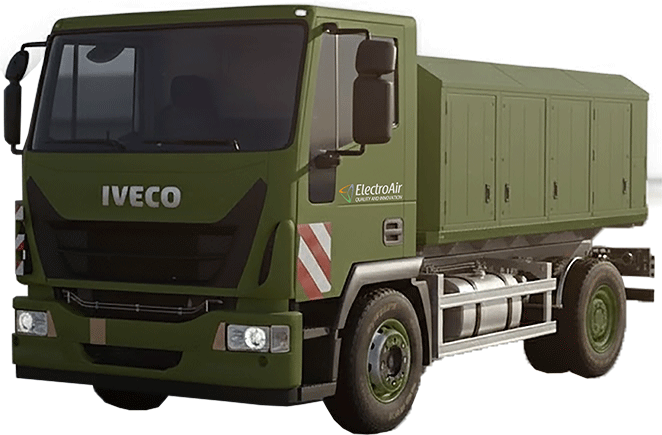
EA Oxygen Gas Charging Station
A dedicated oxygen servicing solution for controlled, repeatable operations. Built to support safe daily use, clear controls and disciplined processes for oxygen handling in aviation environments.
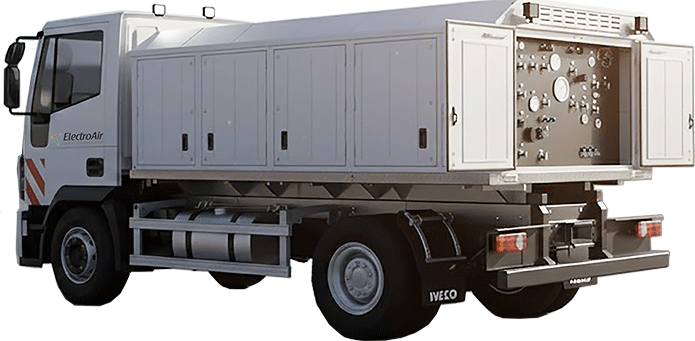
Air Servicer Unit
A multi-purpose unit designed to support structured servicing workflows where teams want fewer separate tools, clearer routines and easier planning. A strong fit for hangars and maintenance environments aiming to standardise day-to-day servicing operations.
If you are planning a new hangar, updating an MRO facility, or standardising line maintenance processes, this category can become a practical part of a broader ground support strategy — alongside power, PCA and other service infrastructure.
Operational best practices and maintenance
In practice, reliability comes from two things: equipment design and disciplined routines. A few simple principles can make day-to-day operations smoother and safer: clear identification of gases and connectors, consistent filling procedures, planned inspection intervals and documented training for operators. These steps reduce variability between shifts and help prevent “informal shortcuts”.
- Maintain clear operating instructions and quick-reference SOPs
- Use predictable connection logic and avoid improvised adapters
- Plan routine checks for hoses, regulators and fittings
- Implement safe storage and handling practices around cylinders
- Keep servicing logs to support repeatability and audits
Planning gas charging for your hangar or line operations?
ElectroAir supports airports, MROs and ground handling teams with practical equipment concepts — from gas charging systems to integrated servicing workflows. Tell us about your operation (fleet type, servicing locations, target procedures), and we’ll help you select the right configuration.